Skip to content

Recent Posts

  • Why Dating Can Be Hard for Neurodivergent Women in Midlife
  • Slow Cooker Chicken Parmesan
  • The Dark Side of Social Media for People With AuDHD
  • How My Life Might Have Been Different If I’d Known I Was AuDHD Sooner
  • Slow Cooker Beef Stroganoff

Most Used Categories

  • Neurodivergent Friendy Recipes (22)
    • Low Spoon Recipes (20)
    • Slow Cooker (7)
    • Main Dish (6)
  • Neurodivergence (35)
    • AuDHD (14)
  • My Journey (7)
  • Mindset (19)
  • Self-Care (9)
  • Self-Love (7)
Skip to content
Kathy Seppamaki

Kathy Seppamaki

Finding Myself In Midlife

  • Home
  • Life and Home
    • Food
    • Herbs
    • Kitchen
  • Midlife
    • Menopause
  • My Journey
    • About Me
    • My Playlist
  • Neurodivergence
    • AuDHD
    • Neurodivergent Tools
    • Sensory sensitivities
  • Neurodivergent Friendly Recipes
    • Beverages
    • Breakfast
    • Dessert
    • Instant Pot
    • Lunch
    • Main Dish
    • Salads
    • Side Dish
    • Slow Cooker
    • Soups and Stews
  • Wellness
    • Energy
    • Health
    • Mindset
    • Self-Care
    • Self-Love
    • Sensuality and Sexuality
    • Stress
    • Women’s Issues
  • Home
  • Life and Home
  • Food
  • Foods That Benefit the Neurodivergent Body In Menopause
Foods That Benefits the Neurodivergent Body in Menopause blog post title with a picture of a variety of healthy whole foods spread out over a gray background

Foods That Benefit the Neurodivergent Body In Menopause

kathyseppamakiNovember 9, 2025November 11, 2025

Navigating menopause is a wild ride on its own. But when you add in neurodivergence (like ADHD or autism), the physical, emotional, and cognitive shifts can feel overwhelming. Hormonal changes affect everything from mood and memory to sensory sensitivities and executive function. The good news? The food you eat can be a powerful ally in supporting your body, brain, and nervous system during this time.

Here’s a breakdown of the best foods to support neurodivergent women going through menopause.

Omega-3 Fatty Acids for Brain and Mood Support

Omega-3s are essential for healthy brain function and reducing inflammation, two big areas of concern for neurodivergent women in menopause. They also help regulate mood and may ease anxiety and depression.

Eat more of:

  • Salmon, mackerel, sardines

  • Chia seeds, flaxseeds, walnuts

  • Algae oil (great for vegans)

Protein to Balance Mood and Energy

Protein helps keep blood sugar levels stable, supports focus, and is crucial for neurotransmitter production. It can also prevent the energy crashes and mood swings that are common during both menopause and ADHD.

Great options include:

  • Eggs, turkey, chicken

  • Lentils, chickpeas, black beans

  • Tofu, tempeh, quinoa

  • Greek yogurt and cottage cheese

Magnesium-Rich Foods to Calm the Nervous System

Magnesium supports relaxation, better sleep, fewer migraines, and less anxiety, making it a powerhouse mineral for neurodivergent and menopausal bodies alike.

Add these to your plate:

  • Pumpkin seeds, almonds

  • Spinach, kale, black beans

  • Avocados and dark chocolate (yes, please!)

Cruciferous veggies for hormone detox

As estrogen fluctuates, the body’s ability to detox excess hormones becomes important. Cruciferous veggies help the liver metabolize estrogen more efficiently, easing symptoms like bloating, mood swings, and hot flashes.

Try eating more:

  • Broccoli, cauliflower

  • Brussels sprouts, cabbage

  • Kale and arugula

Phytoestrogens for hormone balance

Phytoestrogens are plant compounds that act like gentle estrogens in the body, which can help fill the gap when estrogen levels begin to drop.

Helpful sources include:

  • Flaxseeds, sesame seeds

  • Soy foods (edamame, tofu, tempeh)

  • Dried apricots and other dried fruits (in moderation)

Anti-inflammatory foods for overall wellness

Neurodivergence and menopause both come with an increased risk of inflammation, which can worsen symptoms like brain fog, fatigue, and joint pain.

Anti-inflammatory superfoods:

  • Berries, leafy greens, and olive oil

  • Turmeric, ginger, garlic

  • Green tea and herbal infusions

Low-glycemic carbs for stable blood sugar

Blood sugar crashes can amplify irritability, fatigue, and mental fog. Choosing slow-burning, nutrient-rich carbs helps keep things stable throughout the day.

Healthy choices include:

  • Sweet potatoes, oats

  • Quinoa, brown rice, wild rice

  • Berries, beans, and lentils

Hydration and electrolytes for brain clarity

Dehydration can sneakily worsen both sensory sensitivities and menopausal symptoms. Staying hydrated supports cognition, temperature regulation, and overall energy.

Support your hydration with:

  • Water (add a pinch of sea salt or lemon)

  • Coconut water or electrolyte powders

  • Herbal teas like peppermint, nettle, or raspberry leaf

Final Thoughts

Being neurodivergent in menopause means you’re navigating a very unique hormonal and neurological landscape. But food can be a grounding and healing resource—something you can come back to again and again to support your mind, body, and spirit. By choosing nutrient-dense, calming, and stabilizing foods, you give yourself the tools to move through this phase with more clarity, resilience, and ease.

Be gentle with yourself. You’re not doing it wrong. You’re just doing it differently…and that’s beautiful.
  • Email a link to a friend (Opens in new window) Email
  • Share on Facebook (Opens in new window) Facebook
  • Share on Pinterest (Opens in new window) Pinterest
  • Share on X (Opens in new window) X
  • Share on LinkedIn (Opens in new window) LinkedIn
  • Share on Reddit (Opens in new window) Reddit
Foods That Benefits the Neurodivergent Body In Menopause

Post navigation

Previous: Some Workouts Can Be Overstimulating for ADHD and Autistic Brains
Next: Instant Pot Chop Suey

Related Posts

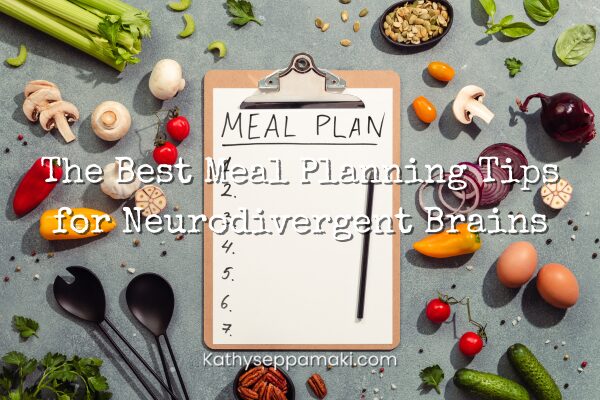
The Best Meal Planning Tips for Neurodivergent Brains blog post title with a picture of a clipboard holding a meal planning list. The clipboard is surrounded by all kinds of different foods and cooking utinsels

The Best Meal Planning Tips for Neurodivergent Brains

January 18, 2026December 24, 2025 kathyseppamaki
How Sugar Impacts Those With AuDHD, And What You Can Choose Instead blog post title with a picture of a white bowl filled with sugar. Next to is is a white spoon. On the white spoon are several sugar cubes

How Sugar Impacts Those With AuDHD, And What You Can Choose Instead

January 8, 2026January 11, 2026 kathyseppamaki
The Lesser-Known Symptoms of Perimenopause and Menopause Every Woman Should Know About blog post title with picture of a woman sitting on her couch fanning herself with a piece of paper because she's having a hot flash

The Lesser-Known Symptoms of Perimenopause and Menopause Every Woman Should Know About

August 24, 2025August 15, 2025 kathyseppamaki

Leave a Reply Cancel reply

Your email address will not be published. Required fields are marked *

Recipe Rating


Hi, I’m Kathy!
I discovered I’m autistic and ADHD (AuDHD) in midlife—right in the thick of menopause and a full-on identity unraveling. Now, I’m on a journey to unmask, heal, and rediscover who I really am. This blog is where I share the messy, magical path of being neurodivergent in midlife, and finally coming home to myself.

  • Facebook
  • Instagram
  • YouTube
  • TikTok

Welcome to Kathy Seppamaki- Finding Myself At Midlife!

Sign up for my newsletter below!

Instant Pot Chop SueyInstant Pot Chop SueyNovember 12, 2025kathyseppamaki
Simple Ways to Make Your Home More Neurodivergent-FriendlySimple Ways to Make Your Home More Neurodivergent-FriendlySeptember 14, 2025kathyseppamaki
Why People Misunderstand Those With Autism and ADHDWhy People Misunderstand Those With Autism and ADHDJuly 23, 2025kathyseppamaki
Copyright All Rights Reserved | Theme: BlockWP by Candid Themes.